Highly Rated Silver Spring Hardwood Refinishing Experts
Uncover Top Flooring Services to Enhance Your Living Space With Style and Durability
Choosing the right flooring can substantially impact a home's appearance and functionality. Quality flooring options span from classic hardwood to modern vinyl, serving various tastes and needs. Understanding the benefits of each type is essential for homeowners pursuing style and durability. However, the selection process can be intimidating without proper guidance. What factors should one consider to secure a lasting investment in their living space?
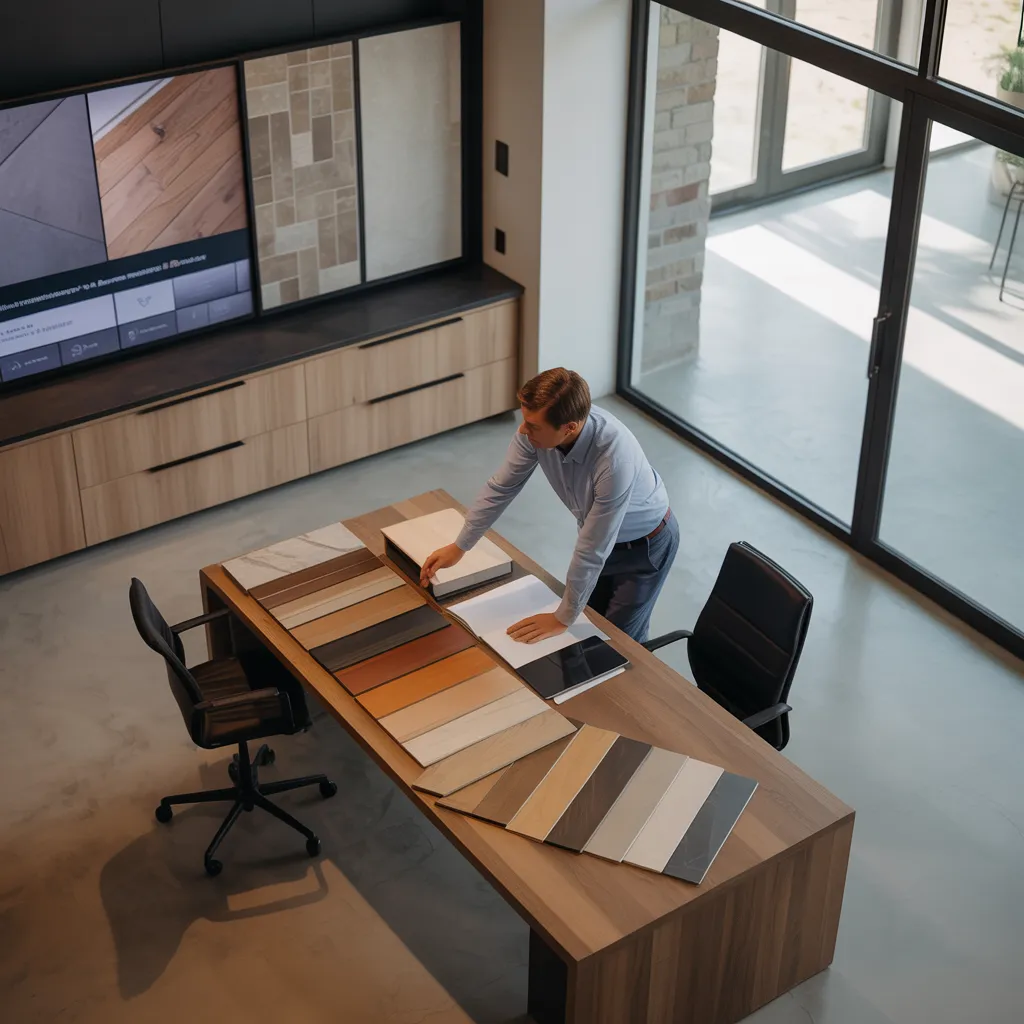
The Advantages of Selecting Quality Flooring
High-quality flooring acts as the foundation of any living space, impacting both aesthetics and functionality. Selecting high-quality materials not only elevates the visual appeal of a room but also contributes to its durability and maintenance. Quality flooring can endure the wear and tear of daily life, reducing the need for frequent replacements. Additionally, it can enhance indoor air quality by minimizing dust and allergens, encouraging a healthier environment for occupants.
Purchasing quality flooring may contribute to energy efficiency, as specific materials provide better insulation. This can result in reduced heating and cooling costs over time. Moreover, quality flooring often offers better sound insulation, creating a more tranquil living space. Ultimately, choosing premium flooring materials elevates the overall value of a home, making it a wise investment for both present enjoyment and future resale potential.
Popular Flooring Alternatives for Any Style
When evaluating widely-used flooring selections, hardwood shines for its lasting quality and classic appeal, improving any living space. In contrast, carpet presents versatility and comfort, making it an ideal choice for inviting environments. Each flooring type provides distinctive benefits that cater to multiple aesthetic preferences and functional needs.
Hardwood Floor Advantages
Wood flooring emerges as a timeless choice for enhancing any living space, as it offers a unique combination of strength, aesthetic appeal, and versatility. Offered in various species, colors, and finishes, it can complement any interior design theme, from rustic to modern. Hardwood is known for its extended lifespan, often lasting several decades with proper care, making it a wise investment. Furthermore, hardwood floors are easy to clean and maintain, contributing to a healthier indoor environment by reducing allergens. Their ability to be refinished permits homeowners to refresh the look without full replacement. Moreover, hardwood flooring can raise property value, appealing to potential buyers, hence making it a practical and stylish flooring choice for any home.
Carpet Versatility and Comfort
Carpet provides a clear contrast to hardwood floors, offering a distinctive blend of versatility and comfort that suits various living environments. Offered in an assortment of colors, patterns, and textures, carpets can complement any design aesthetic, from contemporary to traditional. They serve as an ideal choice for living areas and bedrooms, where a warm atmosphere is essential. Moreover, carpets can enhance sound insulation, making spaces calmer and more appealing. Their cushioning qualities provide additional comfort underfoot, making them ideal for households with children or pets. Maintenance options, including stain-proof treatments, add to their functionality. Ultimately, carpet remains a preferred flooring option for those seeking comfort, design, and versatility in their living spaces.
Earth-Friendly Flooring Solutions
Green flooring solutions are growing increasingly favored as homeowners search for sustainable material selections. These environmentally conscious flooring alternatives deliver multiple rewards, from lowering environmental effect to improving indoor air quality. Furthermore, learning the best installation and maintenance techniques can help increase the longevity and performance of these sustainable surfaces.
Eco-Friendly Building Material Alternatives
What alternatives exist for those looking to reduce their environmental impact while improving their living spaces? Eco-friendly materials offer a variety of environmentally conscious flooring alternatives. Bamboo, celebrated for its rapid growth and renewability, delivers a elegant and long-lasting alternative to traditional hardwood. Cork, extracted from the bark of cork oak trees, is another sustainable choice that boasts natural insulation properties. Recycled materials, such as salvaged timber or recycled rubber floors, also assist in decreasing waste and highlight unique aesthetics. Furthermore, linoleum, made from natural materials like linseed oil and wood flour, is biodegradable and resilient. These sustainable flooring materials not only encourage eco-conscious living but also improve the overall aesthetic of any space, demonstrating a commitment to environmental stewardship.
Advantages of Sustainable Flooring
While various homeowners desire aesthetic beauty in their floor covering options, the perks of sustainable flooring go much further than just aesthetics. Eco-friendly flooring options, like bamboo, cork, and reclaimed wood, promote environmental responsibility by employing sustainable resources and decreasing nature's burden. These materials often have lower levels of volatile organic compounds (VOCs), enhancing interior air conditions and fostering more wholesome home environments. In addition, green flooring can deliver strength and extended lifespan, decreasing the requirement for regular changes and lessening refuse. Conservation-focused manufacturing approaches tied to environmentally friendly goods can further produce lower power bills. Finally, selecting eco-friendly flooring both improves a residence's appearance and reinforces dedication to ecological accountability and wellness.
Setup and Upkeep Procedures
Selecting the right installation and maintenance practices for eco-friendly flooring can significantly improve its longevity and performance. Correct installation commences with picking a professional who understands the specific requirements of sustainable materials, providing minimal waste and optimal results. Additionally, using non-toxic adhesives and finishes promotes a healthier indoor environment.
Proper maintenance holds equal significance; environmentally conscious flooring typically needs delicate cleaning practices that bypass abrasive chemicals. Simple practices such as sweeping, using biodegradable cleaners, and applying protective coatings will increase the longevity of these surfaces. Home occupants should likewise take into account atmospheric conditions and thermal control to prevent warping and other damage. By following these setup and care Betel Flooring instructions, individuals can guarantee that environmentally conscious flooring maintains its beauty and strength for many years ahead.
Choosing the Best Flooring for Your Home
Determining the best flooring for a property can become overwhelming, given the multitude of options available. To make an informed selection, homeowners should first examine their lifestyle and the specific requirements of each room. Frequently-used areas may necessitate more durable materials, whereas bedrooms can work better with gentler, warmer options.
The next step involves assessing the visual appeal, which is crucial. Flooring should complement the overall design theme of the home, regardless of whether it's modern, conventional, or mixed.
Budgetary restrictions will similarly play a crucial role in the selection process. Various materials differ substantially in cost, and it is essential to balance quality with affordability.
Finally, evaluating environmental elements, such as climate and humidity, can impact the longevity and performance of flooring choices. By thoughtfully reviewing these factors, homeowners can confidently pick flooring that enhances their living space while maintaining style and durability.
Fitting and Maintenance Advice for Durability
Appropriate installation and regular maintenance are essential for ensuring the longevity of any flooring type. When installing flooring, it is vital to follow manufacturer guidelines carefully. This includes readying the subfloor correctly, allowing materials to acclimate to the environment, and ensuring proper moisture levels. Using premium adhesives and underlays can also improve durability.
Following installation, consistent maintenance can substantially extend the longevity of floor surfaces. For hardwood, regular sweeping and occasional refinishing are suggested, while tile floors benefit from periodic deep cleaning to stop grout discoloration. Carpets should be vacuumed regularly and professionally cleaned every 12 to 18 months.
Moreover, placing mats at entrances can decrease dirt and moisture, protecting floors from damage. Homeowners should also tackle spills promptly and avoid harsh chemicals that could damage flooring finishes. By adhering to these installation and maintenance practices, individuals can appreciate their flooring investment for many years.
Locating Dependable Flooring Solutions Near You
In what way can homeowners be certain they find reliable flooring services in their area? To begin with, they should request recommendations from neighbors, family, or friends who have recently completed flooring projects. Customer reviews and ratings on platforms for example Google and Yelp can also deliver valuable insights into a business's reputation. Homeowners should confirm the credentials of potential contractors, guaranteeing they are licensed and insured, which guards against potential liabilities.
Additionally, securing multiple quotes can allow homeowners determine market rates and discover the best value. It is crucial to question the materials and techniques used, as well as warranties given on both products and services. Lastly, a personal visit to a contractor's showroom can display the quality of their offerings and customer service. By following these steps, homeowners can confidently select flooring services that meet their style and durability needs.
Common Questions
What Is the Average Lifespan of Different Flooring Types?
Different flooring materials have varying lifespans: hardwood endures 25-100 years, laminate roughly 15-25 years, vinyl about 10-20 years, and carpet usually lasts 5-15 years, subject to upkeep and use.
How Do I Create a Budget for New Flooring Installation?
To budget for new flooring installation, one should measure the complete square footage, pick materials prudently, collect multiple quotes from qualified installers, factor in additional costs like those for underlayment and removal, and reserve a contingency fund for unexpected expenses.
Are There Any Warranties for Flooring Products?
A variety of flooring solutions include warranties, generally covering wear or defects. The length and scope change based on the manufacturer, so consumers should closely review warranty details to understand coverage and restrictions before making a purchase.
Is It Possible to Install Flooring Over Current Floors?
Certainly, flooring can typically be installed over existing floors, depending on the type and condition of the underlying surface. Nonetheless, adequate assessment and preparation are vital to maintain stability and eliminate future complications.
Which Cleaning Products Work Best for Different Flooring Types?
A pH-balanced cleaner works best for hardwood; laminate benefits from a gentle, non-abrasive solution; tile surfaces demand robust, disinfecting cleaners; while vinyl thrives with a mild soap and water mixture to ensure excellent results and extended lifespan.